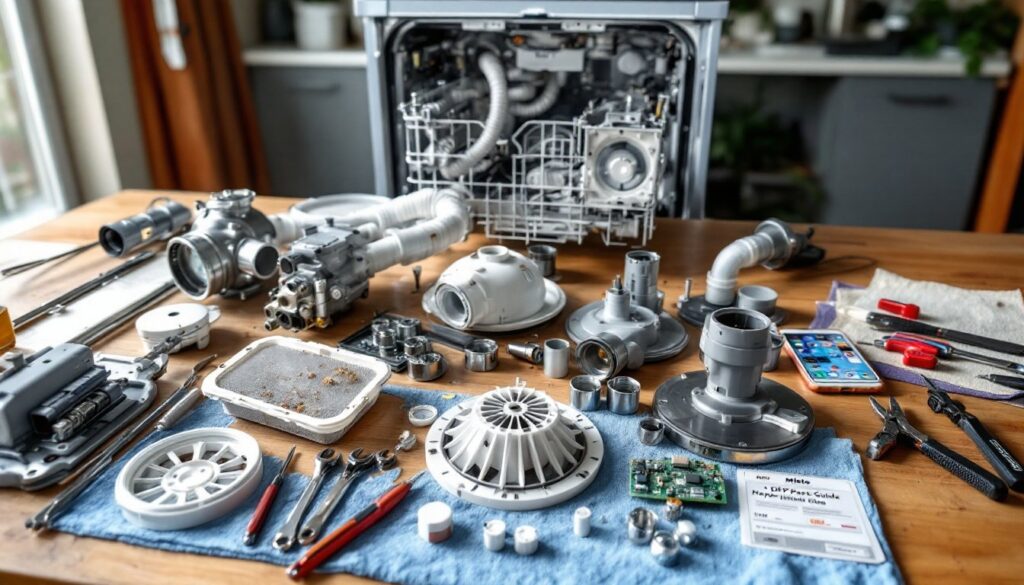

Miele dishwashers are built tough and designed to last, but like any appliance, they need maintenance and the occasional part replacement. Whether you’re dealing with a worn spray arm, a failing pump, or a control panel issue, knowing your dishwasher’s anatomy is the first step toward solving the problem yourself, or knowing when to call a pro. This guide walks you through Miele dishwasher parts, replacement timing, sourcing authentic components, and best practices for keeping your machine running strong for years to come.
Table of Contents
ToggleKey Takeaways
- Understanding Miele dishwasher parts—including the circulation pump, drain pump, and door gasket—helps you identify failures early and prevent water damage or secondary failures.
- Common warning signs like poor wash results, water pooling after cycles, leaks, or unusual noises indicate specific Miele dishwasher parts need replacement.
- Always source authentic Miele dishwasher parts through authorized dealers, the official parts store, or certified retailers to avoid counterfeits that void warranties.
- DIY replacement is feasible for spray arms, filters, gaskets, and door latches, but requires careful prep work, the right tools, and documented photos for reassembly.
- Regular maintenance—including weekly filter cleaning, monthly spray arm nozzle inspection, and using the self-cleaning cycle—extends the life of critical dishwasher parts.
- Before replacing parts, troubleshoot common issues like blockages in the filter or drain hose, buildup on spray arms, or latch misalignment, which may be free fixes.
Understanding Common Miele Dishwasher Parts and Their Functions
Essential Internal Components
Miele dishwashers contain several critical internal parts that handle the washing, filtering, and draining processes. The circulation pump is the heart of the machine, it moves hot water through the spray arms and into the wash chamber. When it fails, you’ll notice water not reaching the racks or very weak spray action.
The wash impeller (or rotor) sits below the spray arms and forces water upward. A cracked or damaged impeller reduces cleaning power noticeably. Both are sealed units: repair means replacement.
Filters come in two types: the coarse filter (a stainless steel basket) and the fine filter (a mesh screen). These trap food particles and prevent clogs. They’re user-maintainable but can wear out over time, especially if you’re not rinsing dishes first.
The drain pump expels water at the end of the cycle. If it’s faulty, water pools in the tub after the cycle ends. This is one of the more common failures and something many homeowners can replace with patience and basic tools.
The heating element (or heater) raises water temperature for effective cleaning. Mineral buildup and hard water can damage it, and replacement often requires draining the tub.
Exterior and Control Parts
The door latch and strike hold the door closed during operation. A worn latch won’t seal properly, causing water to leak or the cycle to interrupt. This is usually a straightforward replacement.
The control board (or PCB, printed circuit board) manages cycle timing, temperature, and motor operation. Electronic failures here can cause erratic behavior or total shutdown. Boards are expensive and sometimes not worth replacing on older machines.
The spray arms (upper and lower) rotate to distribute water. They’re plastic with small nozzles that clog or crack. This is a quick, cheap fix, typically under $50 for both.
The door gasket (or seal) keeps water inside the tub. Over time, it hardens, cracks, or collects mold, causing leaks. Replacement takes 15 minutes and costs $30–$80 depending on the model.
When to Replace Your Dishwasher Parts
Timing is everything. Catching a failing part early saves you from water damage or a cascade of secondary failures. Here’s what to watch for:
If dishes come out dirty even though normal cycles, the spray arms or circulation pump may be failing. Test spray arm nozzles by hand under running water: if water doesn’t shoot out, they’re clogged or damaged.
Water pooling at the bottom after the cycle points to a drain pump failure. Before jumping to replacement, check the filter basket and drain hose for blockages, sometimes the fix is free.
Leaking water during operation usually signals a failing door gasket or a crack in the tub. A small drip from the door is often the gasket: puddles beneath the machine suggest a pump seal or internal leak.
Humming or grinding noises during the cycle indicate motor or pump wear. Unusual sounds warrant inspection before the part fails completely, as running a faulty pump dry can cause additional damage.
Cycle interruptions or the machine not starting suggest control board or latch issues. Check that the door closes fully and listen for the latch clicking: if it doesn’t catch, replacement is likely needed.
Where to Find Authentic Miele Parts
Counterfeit dishwasher parts are common online, and buying knockoffs can void your warranty and cause premature failure. Here’s how to source the real deal.
Authorized Miele dealers (check Miele’s website for your region) stock genuine parts and often provide installation guidance. You’ll pay a premium, but warranty protection and guaranteed compatibility are worth it.
Miele’s official online parts store sells direct. You’ll need your model number (usually on a sticker inside the door edge) to search. Shipping can take 1–3 weeks, so plan ahead.
Certified appliance parts retailers like AppliancePartsPros and PartSelect verify authenticity and carry extensive Miele catalogs. Read reviews and confirm return policies, reputable vendors stand behind their stock.
Avoid generic marketplaces if parts lack a Miele part number or don’t match your exact model. A $10 cheaper spray arm that doesn’t fit wastes time and money.
Verify the part number. Your model number is the key. Write it down before shopping, and cross-reference it in the retailer’s system. Many Miele parts fit multiple models, but not all, wrong fit means a return and delay.
DIY Replacement: Best Practices for Homeowners
Not all Miele parts are DIY-friendly, but many are. Before starting, assess the job honestly. Spray arms, gaskets, filters, and door latches are beginner tasks. Drain pumps require more disassembly but are doable. Control boards, circulation pumps, and heating elements demand patience and mechanical comfort, consider hiring a technician if you’re unsure.
Prep work is non-negotiable. Turn off the breaker to the dishwasher and close the water supply valve. Let the machine cool for 30 minutes after a cycle. Have towels ready, some disassembly will drain residual water.
Gather your tools: a screwdriver set (Phillips and flathead), a socket wrench set (often 8mm–13mm), needle-nose pliers, and a flashlight. Consult your model’s manual or an online step-by-step DIY project tutorial for part-specific instructions.
Take photos before disassembly. Snap pictures of hose connections, clip positions, and wire routing. Your phone becomes your memory when reassembling.
Handle hoses carefully. When disconnecting water supply or drain hoses, slide a bucket underneath to catch spills. Mark hoses with tape if you’re unsure which goes where, mislabeling delays the job.
Test before declaring victory. After installing a new part, run a short cycle without dishes. Listen for odd noises, watch for leaks, and confirm the machine drains properly. Small fixes now beat big headaches later.
Maintaining Your Miele Dishwasher to Extend Part Lifespan
Prevention beats replacement. Routine maintenance cuts part failures significantly.
Clean the filter basket weekly. Trapped food particles block water flow and force the pump to work harder. Simply pull out the basket, rinse it, and check the drain area for debris. It takes 30 seconds and saves your pump.
Run the self-cleaning cycle monthly. Many Miele models include a cleaning program designed to flush mineral deposits and buildup. Use Miele’s proprietary cleaning tablet or a commercial dishwasher cleaner. Hard water minerals are a major culprit in heating element and pump failures.
Inspect the door gasket quarterly. Press your thumb into the rubber seal: it should feel supple and bounce back. If it’s hard, cracking, or smells moldy, replacement is overdue. Moisture trapped in a failing gasket causes mold and corrosion.
Wipe spray arm nozzles monthly with a damp cloth. Buildup clogs the tiny holes and reduces spray pressure. A toothpick can clear stubborn debris, but don’t force it, nozzles are plastic.
Use the right detergent. Miele machines work best with powder or tablet detergent (not gel or pods, which don’t dissolve fully). Incorrect detergent leaves residue that clogs filters and damages the heating element.
Pre-rinse heavily soiled dishes. Miele dishwashers are efficient but not miracle workers. Scraping food off before loading prevents filter clogs and extends pump life. Think of it as cheap insurance against expensive repairs.
Soften hard water if needed. If your tap water is very hard (over 300 ppm), Miele makes water softening salt specifically for their machines. Hard water is the silent killer of heating elements and seals, a $15 bag of salt beats a $400 element replacement.
Troubleshooting Common Issues Before Replacing Parts
Not every problem is a part failure. Some quick checks save you time and money.
Dishwasher not draining? First, check the filter basket and drain hose for blockages. Hard food particles, mineral deposits, or even a twisted hose can prevent drainage. Unblock the hose and test again. If water still won’t drain after clearing blockages, the drain pump likely failed and needs replacement.
Poor wash results but no leaking? Run a cleaning cycle with a commercial dishwasher cleaner. Buildup on spray arms, screens, or the heating element can mimic a component failure. After cleaning, assess the spray arm nozzles for clogs and the filter for trapped particles.
Cycle won’t start? Confirm the door latch clicks when you close it. A weak click or no click means the door isn’t registering as closed. Try opening and closing the door firmly several times: sometimes the latch just needs realignment.
Error codes on the display? Check your manual for the specific code’s meaning. Many codes point to simple issues like a filter not seating properly or a water supply valve not opening fully. Reseating components often clears the error without part replacement.
Water leaking during operation? Inspect the door gasket for visible damage. A hardened or split gasket is the usual culprit. If the gasket looks fine, the leak may be internal (pump seal or tub crack), requiring professional diagnosis. Common dishwasher repair guides outline troubleshooting steps for stubborn issues.
When in doubt, reach out to Miele customer support or a certified technician. Paying $100 for a phone consultation beats a $500 replacement of the wrong part.