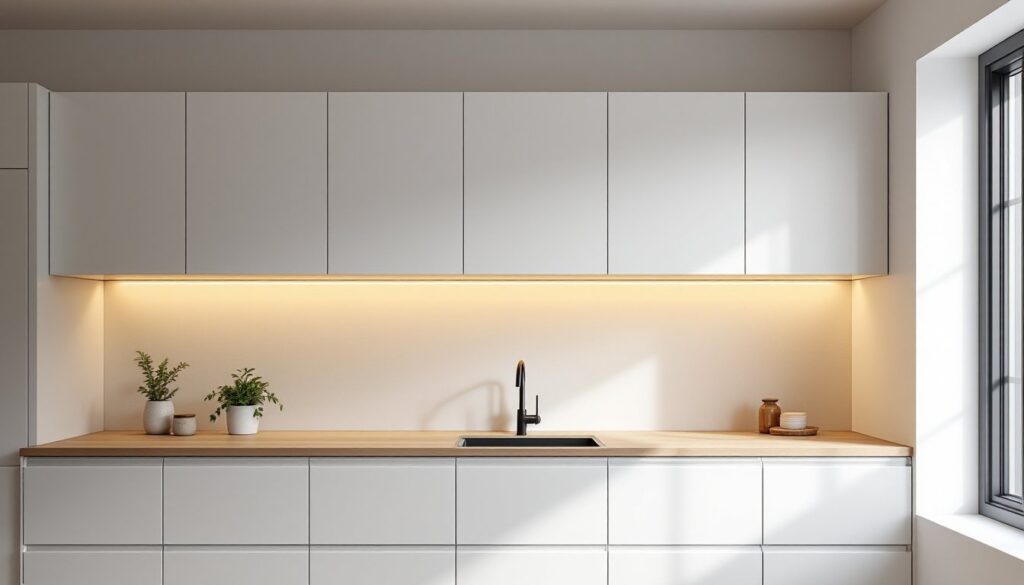

Minimalist kitchen cabinets have moved beyond a design trend, they’re now a practical choice for homeowners who want functionality without visual noise. Whether you’re renovating a cramped galley kitchen or simplifying a cluttered space, minimalist cabinetry delivers clean lines, hidden storage, and an organized aesthetic that works in kitchens of any size. This guide walks you through what defines minimalist cabinets, the design principles that make them work, material choices, smart storage solutions, and real-world installation tips that won’t break the budget. You’ll learn how to distinguish between cosmetic upgrades and structural work, and whether you can handle some of this project yourself or when to bring in a pro.
Table of Contents
ToggleKey Takeaways
- Minimalist kitchen cabinets prioritize clean lines, hidden storage, and uncluttered aesthetics that work in kitchens of any size by eliminating decorative molding and using flat panel fronts.
- Focus on three core design principles: simplicity with flat unadorned surfaces, functionality where every cabinet has a purpose, and intentional material choice that creates visual harmony.
- Handle-free cabinets with push-to-open mechanisms offer the ultimate minimalist look, though recessed finger pulls ($5–$15 per piece) provide a practical, durable middle ground between style and functionality.
- Select matte, satin, or natural oil finishes over high-gloss, and choose wood species like white oak, walnut, or quality veneered plywood to let grain patterns show without heavy staining.
- Maximize minimalist kitchen storage with drawer dividers, tall pantry cabinets, and pull-out shelves paired with soft-close hardware that keeps items organized and out of sight.
- DIY door and hardware installation can save 30–50% on costs, but have professionals install cabinet boxes and handle structural work to ensure proper leveling, plumbing, and wall anchoring.
What Are Minimalist Kitchen Cabinets?
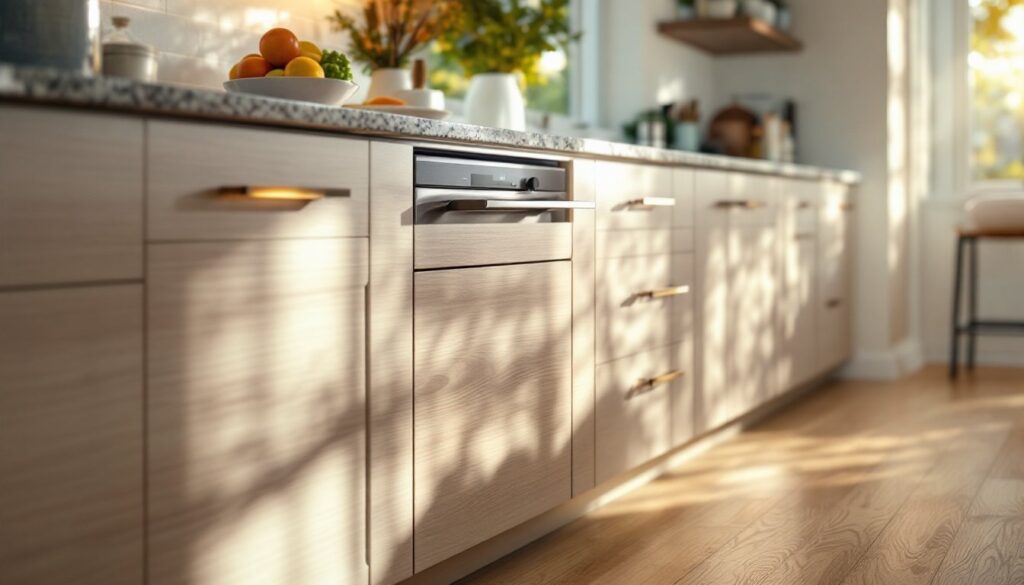
Minimalist kitchen cabinets strip away ornamentation and focus on sleek, uncluttered storage. They’re defined by flat or slightly textured panel fronts, absence of decorative molding, and streamlined hardware, or none at all. The goal is to make the cabinet system visually recede so the kitchen feels open and calm, not stuffed with competing visual elements.
These aren’t cheap-looking or sparse-feeling. Instead, they achieve elegance through proportion, material quality, and intentional design. A minimalist cabinet with a matte finish and subtle grain is more sophisticated than a busy surface with applied trim and multiple colors fighting for attention.
Minimalist cabinetry works well in open-concept kitchens, small spaces, and homes where owners want to emphasize countertops, appliances, or backsplash details. It’s also practical: flat panels are easier to clean than grooved or molded surfaces, and fewer hardware pieces mean fewer places for dust and grease to collect.
Key Design Principles for Minimalist Cabinetry
The foundation of minimalist cabinetry rests on three core ideas: simplicity, functionality, and intentional material choice.
Simplicity means flat, unadorned door and drawer fronts. Recessed panels, shaker styles, and applied molding are replaced by flush surfaces or subtle inset edges. There’s no crown molding, no toe-kick trim, and no decorative corbels, just clean planes.
Functionality demands that every cabinet and drawer has a purpose. There’s no filler space or purely decorative elements. Drawers are deep, shelves are adjustable, and the interior is as organized as the exterior.
Intentional material choice means the wood species, finish, hardware metal, and countertop all speak to each other without clashing. A light oak cabinet with matte black hardware reads differently from a walnut cabinet with stainless steel accents.
Handle-Free and Handle Styles
Handle-free cabinets use push-to-open mechanism (a spring latch or soft-close hinge that retracts when you push the door). This creates the ultimate minimalist look: a completely unbroken cabinet front. The tradeoff? Push-to-open mechanisms add $15–$40 per door to cabinet costs and can wear out faster than traditional hardware if abused.
Recessed handles or finger pulls are a practical middle ground. A thin groove routed into the door edge or a small inset pull blends into the cabinet front and reduces visual clutter compared to protruding hardware. These run $5–$15 per piece and are more durable than soft-close mechanisms.
Traditional bar or cup handles in matte black, brushed stainless, or other finishes aren’t ruled out in minimalist design, they just need to be understated. A simple 4-inch pull in a single finish across all cabinets can read as minimalist if the door style and proportions are right. Mixing metal finishes or oversized decorative hardware breaks the aesthetic.
Whatever you choose, consistency matters. Use the same handle style, finish, and spacing throughout: mismatched hardware is a dead giveaway of a DIY job gone sideways.
Material and Color Choices
Minimalist kitchens thrive on restraint in material and color selection. You’re typically choosing one primary cabinet material and one or two accent colors or finishes.
Wood species should be chosen for grain pattern and natural color, not masked by heavy stains. White oak, walnut, and ash offer subtle, directional grain that reads as understated. Plywood with veneer is a smart budget option, a quality birch or oak veneer on plywood saves money while keeping the aesthetic clean. Avoid highly figured or wildly colored woods (like cherry or mahogany with deep red tones) unless your entire kitchen color story supports them.
Finishes in minimalist kitchens are typically matte, satin, or natural oil. High-gloss feels too reflective and busy. Matte lacquer, flat stain, or hand-rubbed oil finishes soften the wood and reduce visual noise. White and gray cabinets are classics, but don’t rule out natural wood tones or deep charcoal if your lighting and adjacent surfaces support them.
Paint and stain should be high-quality and kitchen-rated. A semi-gloss or satin latex paint resists moisture and cleans easily, but true lacquer (sprayed or brushed) offers a more refined finish. If staining, choose a clear or light tone to let the wood grain show, dark stain often looks heavy and dated in a minimalist space.
According to resources like The Kitchn, many minimalist kitchens pair cabinet color with a contrasting countertop or backsplash to add subtle visual interest without clutter. Light cabinets with dark counters, or vice versa, keep the eye moving without creating visual chaos.
Laminate and thermofoil are practical alternatives if budget is tight. Modern laminates mimic wood and matte finishes convincingly. Thermofoil (PVC wrapped around MDF) is affordable and low-maintenance, though less durable than solid wood or quality plywood.
Storage Solutions and Organization
Minimalist doesn’t mean you have fewer items or nowhere to store them. It means invisible, organized storage. Everything has a home, and nothing sits on counters unless necessary.
Drawer dividers and inserts are essential. Utensil trays, spice racks, and segmented bins keep drawers tidy and make items easy to find. Soft-close drawer slides (adding $10–$30 per drawer) prevent slamming and extend hardware life.
Tall pantry cabinets with adjustable shelves maximize vertical space and hide non-attractive items (pasta boxes, appliances, bulk goods). If you’re installing these yourself, ensure the cabinet is securely fastened to wall studs, a tall, loaded cabinet can tip if mounted to drywall alone. Use ½-inch cabinet bolts rated for the load, and lag bolts or screws into studs.
Pull-out shelves and baskets turn deep cabinets from dead zones into usable storage. Soft-close slides are worth the money here: you’ll appreciate not yanking out a shelf and having it jam halfway. Cost runs $40–$80 per pull-out system.
Corner solutions (lazy Susans, pull-out carousels) make corner cabinets functional without eating into the clean aesthetic. These are often easier to retrofit than full cabinet replacements.
One simple but often-overlooked detail: label drawers and shelves on the inside of doors. A small, minimalist label tells household members (and future you) what goes where. This keeps clutter from accumulating in the wrong spots.
According to 20 Minimalist Kitchen Cabinet Ideas, the best minimalist kitchens pair smart interior organization with handleless or flush-pull doors so the orderliness isn’t visible until you open them.
Budget-Friendly Installation Tips
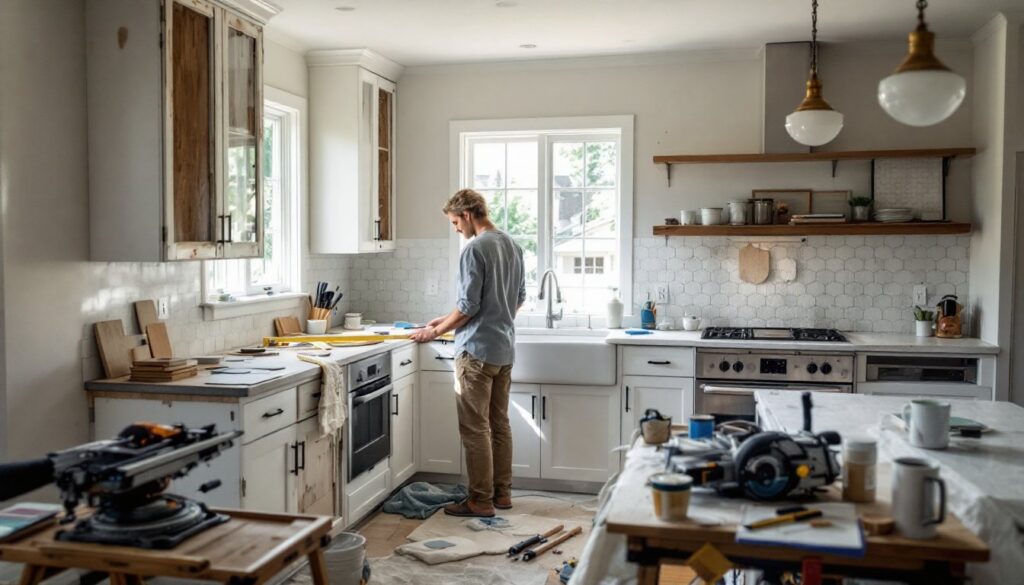
Most homeowners can install cabinet doors, drawer fronts, and hardware themselves, this is where real DIY savings live. Cabinet box installation and anchoring to walls often requires precision and professional judgment, especially if your walls aren’t plumb (perfectly vertical).
Assess what you can do:
If you’re replacing doors and drawer fronts on existing cabinets, you can likely DIY this. Unscrew old hardware, remove old fronts, and install new ones using the existing holes or new drill points. Use a ½-inch or drill bit matched to your hinge or hardware screws, and a level to ensure straight alignment. Even a slight tilt reads as sloppy.
If you’re installing new cabinet boxes or modifying existing ones, consider a professional installer. Cabinets must be level, plumb, and securely fastened to studs, mistakes here lead to sagging doors, binding drawers, and shifting cabinets that damage finishes.
Material savings:
Semihandmade and DIY cabinet lines (like shaker kits from woodworking suppliers) cost 30–50% less than custom or high-end semi-custom brands. You’ll pay for doors, drawer boxes, hinges, and hardware separately, then assemble them. This works if your kitchen layout is straightforward: complex angles and appliance cutouts require custom measurements.
Plywood with veneer saves money compared to solid wood. A quality birch veneer on cabinet-grade plywood looks nearly identical to solid wood once finished and hardware is installed.
Hardware cost control:
Simple bar pulls or push-to-open mechanisms cost less than decorative handles or custom metal work. Buying in bulk (50+ pieces at once) can drop per-unit cost by 20–30%.
Tool requirements:
If tackling doors or assembly: a drill-driver, level, Kreg jig (for pocket holes, $30–$50), and a miter saw or circular saw for trimming. A table saw is nice but not mandatory. Rent or borrow rather than buy if this is your first project.
Measure twice (or three times), and account for underlayment or shims behind cabinet walls to correct minor plumbing issues before you fasten. Forcing a cabinet box into an out-of-plumb wall creates doors that don’t close evenly. Shims are cheap: fixing cabinet doors after the fact is not.
For electrical or structural modifications (moving outlets, reinforcing walls for a heavy tall cabinet), hire a licensed electrician or contractor. This isn’t a gray area, it’s code and safety.
Conclusion
Minimalist kitchen cabinets succeed when you pair clean design with smart internal organization and quality installation. Start with a clear material and color palette, invest in good hardware or push-to-open mechanisms, and plan your storage so the clean exterior isn’t undermined by visible clutter. Tackle door and hardware installation yourself if you’re confident with tools: outsource cabinet box installation and structural work to a pro. The result is a kitchen that feels calm, organized, and genuinely functional, not just designed to look good in photos.