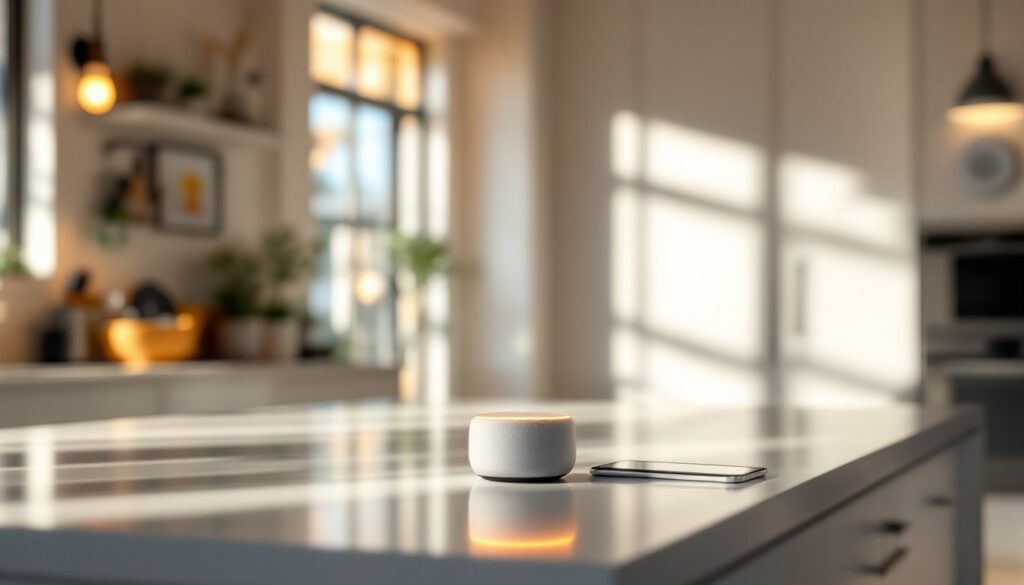

If you’ve ever wondered how all those smart lights, locks, and speakers talk to each other, a smart home hub is the answer. It’s the central command center that lets your devices communicate, automate routines, and respond to your voice, without you having to control each one individually. In 2026, smart home hubs have become more essential than ever for homeowners building connected homes. Whether you’re just starting out or looking to expand your setup, understanding what a hub does and how to choose one can save you headaches and money down the line.
Table of Contents
ToggleKey Takeaways
- A smart home hub is the central command center that enables your connected devices to communicate and automate routines without needing to control each device individually through separate apps.
- Smart home hubs support multiple wireless protocols like Zigbee, Z-Wave, and Thread, allowing you to mix and match devices from different manufacturers for true flexibility and compatibility.
- Local processing capabilities make a smart home hub more responsive and secure by executing commands directly on the device rather than routing everything through the cloud.
- When choosing a hub, prioritize multi-protocol support, voice control, automation capabilities, local processing, and compatibility with your existing devices to avoid frustration and unnecessary expenses.
- Start with basic automations and proper device placement in a central location, then gradually build complexity while maintaining strong security practices like two-factor authentication.
- Popular hubs like Amazon Echo, Apple HomePod mini, Google Home, and Samsung SmartThings Hub each cater to different ecosystems and priorities, so select based on your existing devices and whether privacy or broad compatibility matters most.
Understanding Smart Home Hub Basics
A smart home hub is a physical device that acts as the central relay station for your connected home. Think of it like the main electrical panel in your house, everything else connects back to it. Rather than controlling each device from a separate app or talking to each one individually, the hub receives your commands (whether by voice or app) and routes them out to your devices.
The hub uses wireless protocols, typically WiFi, Zigbee, Z-Wave, or Thread, to communicate with your devices. Most hubs support multiple protocols, which means you can mix and match devices from different manufacturers as long as they speak the same wireless language. For example, smart home device compatibility depends heavily on whether your hub and your devices share a common protocol.
Without a hub, you’d be juggling multiple apps, dealing with unreliable connections, and missing out on automation. With one, your home becomes truly intelligent, routines run automatically, devices talk to each other, and everything stays in sync even when you’re away.
How Smart Home Hubs Work
The core job of a smart home hub is translation and coordination. When you say, “Alexa, turn on the lights,” the hub listens, processes the command, and tells your Philips Hue lights to power up. It’s doing this work locally on the device, which means faster response times and better security than if every command had to travel to the cloud.
Most hubs rely on cloud connectivity for setup, updates, and remote access when you’re not home. When you set up an automation, say, turning on hallway lights at sunset, the hub stores and executes that rule locally. This is important because it means your home keeps working even if your internet goes down (as long as you’re using local protocols like Zigbee or Z-Wave).
Hubs also aggregate data. All your device statuses, routines, and preferences live in one place, making it easier to build complex automations. For instance, you can create a “Leaving Home” routine that locks the front door, arms the security system, and turns off all lights with a single command. AI home assistants take this a step further by learning your habits and suggesting automations you might want.
Key Features and Capabilities
When shopping for a smart home hub, look for these essential features:
Multi-Protocol Support: The hub should support Zigbee, Z-Wave, or Thread (not just WiFi). This opens up access to thousands of devices. WiFi-only hubs limit you to WiFi devices, which are bulkier and drain batteries faster.
Voice Control: Most hubs include a built-in microphone and speaker or work with a separate smart display. Voice commands are convenient but shouldn’t be your only interface, a backup app is essential.
Automation and Routines: The ability to create “if-this-then-that” rules is what makes a smart home feel intelligent. You should be able to set conditions (time, location, sensor data) and trigger multiple actions.
Local Processing: A hub that processes commands locally is more responsive and secure than one that relies entirely on cloud servers.
Compatibility with Your Existing Devices: Before buying, check whether the hub works with your current lights, locks, thermostats, and sensors. IoT smart home technology relies on seamless device integration, so mismatches create frustration.
Security and Privacy: Look for hubs that let you see what permissions apps have, encrypt your data, and offer options for local-only control. Data privacy in smart homes is increasingly important as devices collect more information about your habits.
Popular Smart Home Hub Options
Amazon Echo (4th gen or later) doubles as a hub and smart speaker. It supports Zigbee natively and works with thousands of devices. If you’re already in the Alexa ecosystem, this is an easy add-on. Digital Trends covers hubs in detail if you want deeper comparisons.
Apple HomePod mini is compact and works well if you’re committed to Apple’s ecosystem (HomeKit). It uses a protocol called HomeKit Secure Router and requires HomeKit-certified devices. It’s pricier per device but offers excellent privacy controls.
Google Home (particularly the Hub Max) supports Matter and Zigbee, making it flexible for mixed-device homes. Tom’s Guide’s buying guide breaks down these options well.
Samsung SmartThings Hub is known for strong Zigbee support and compatibility with a huge range of devices, including older and non-mainstream brands. It’s a good choice if you’re mixing devices from multiple manufacturers.
Hubitat Elevation is a local-first hub aimed at power users. It runs most automations without internet, which appeals to privacy-conscious homeowners. Setup is more technical, but the control is unmatched. Popular Mechanics’ roundup offers additional perspective on what these hubs offer.
Your choice depends on your existing ecosystem and priorities. If you have Alexa devices, stick with Echo. If privacy is paramount, choose local-first hubs. If you want device compatibility across brands, prioritize Zigbee or Matter support.
Setting Up Your First Smart Home Hub
Before you buy, audit your existing devices and check compatibility with your top hub choices. This prevents buyer’s remorse and wasted money.
Position the hub centrally in your home. These devices need strong wireless coverage to reach all your devices, so avoid closets, basements, or corners. A central hallway, living room, or kitchen is ideal.
Follow the manufacturer’s setup steps carefully. Most hubs walk you through:
- Downloading the mobile app and creating an account
- Connecting the hub to your home WiFi
- Adding devices one at a time (patience here, rushing causes connection drops)
- Creating rooms and zones so you can say “turn off kitchen lights” instead of naming each bulb
- Setting up basic automations
Name your devices clearly (e.g., “Front Door Lock” not “Door 1”). Good naming makes voice control intuitive and automations easier to read when you review them later.
Don’t build complex automations immediately. Start with one or two simple routines, test them thoroughly, then add complexity. Most setup frustration comes from trying to do too much at once. Home automation software and smart home networking topics dig deeper into optimization once you’re comfortable with the basics.
Security matters from day one: Change default passwords, enable two-factor authentication, and regularly review which apps have access to your home. A hub is only as secure as the practices protecting it.
Conclusion
A smart home hub transforms scattered gadgets into an integrated system that actually works for you. It’s not a luxury, it’s the foundation that makes automation, voice control, and device compatibility possible. Start with the hub that best fits your ecosystem, position it well, and build your automations gradually. You’ll quickly realize why so many homeowners consider a hub the smartest investment they’ve made for their homes.